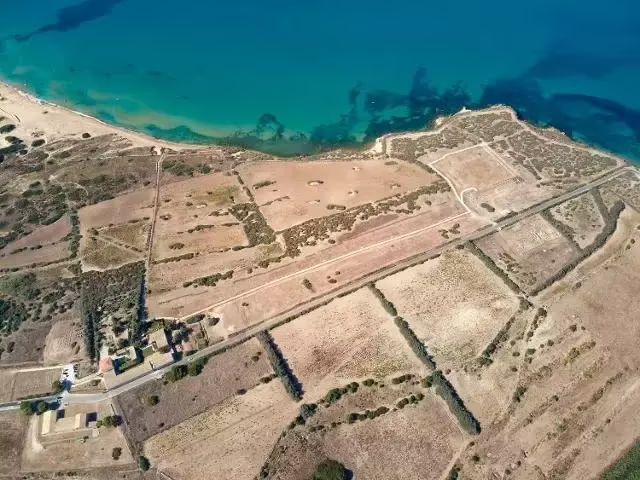
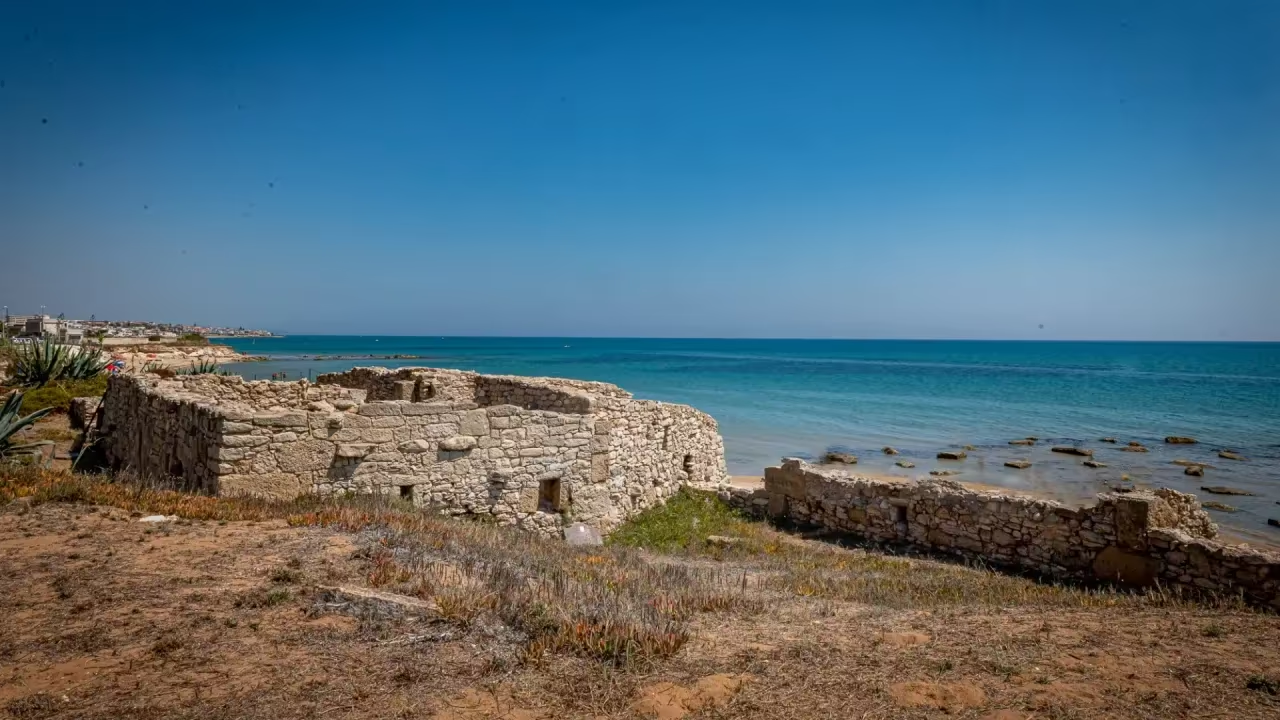
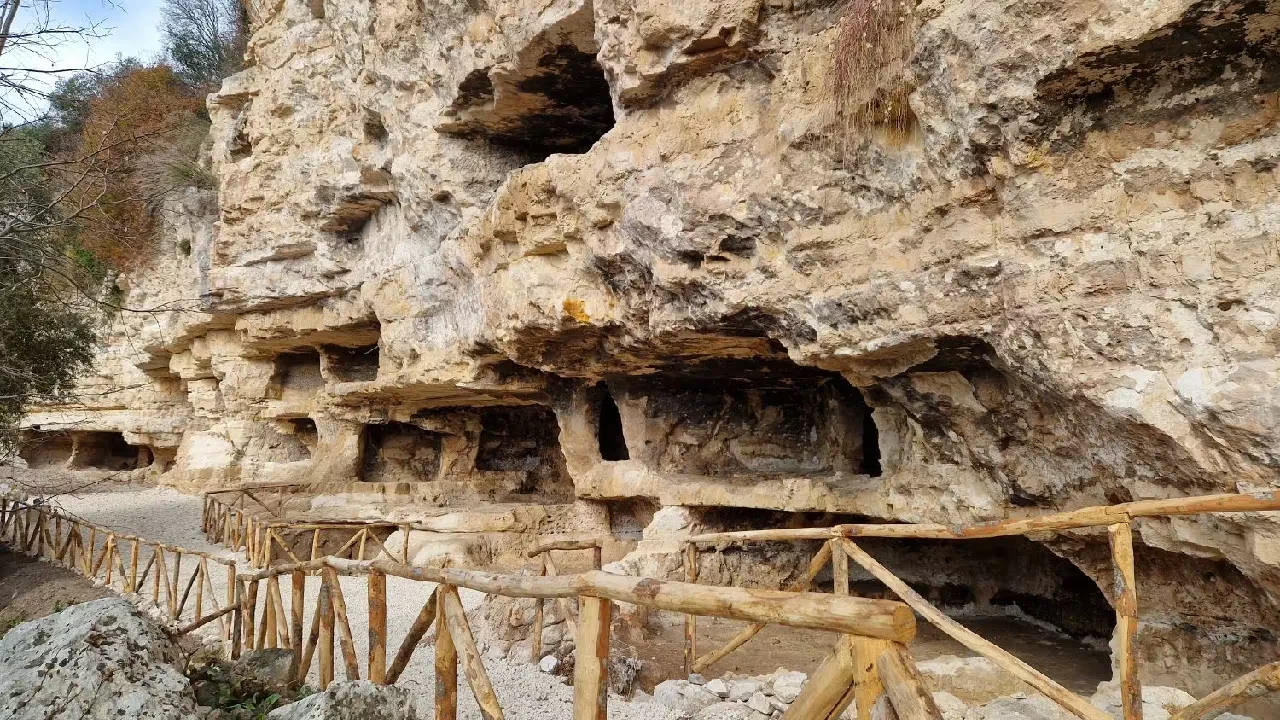
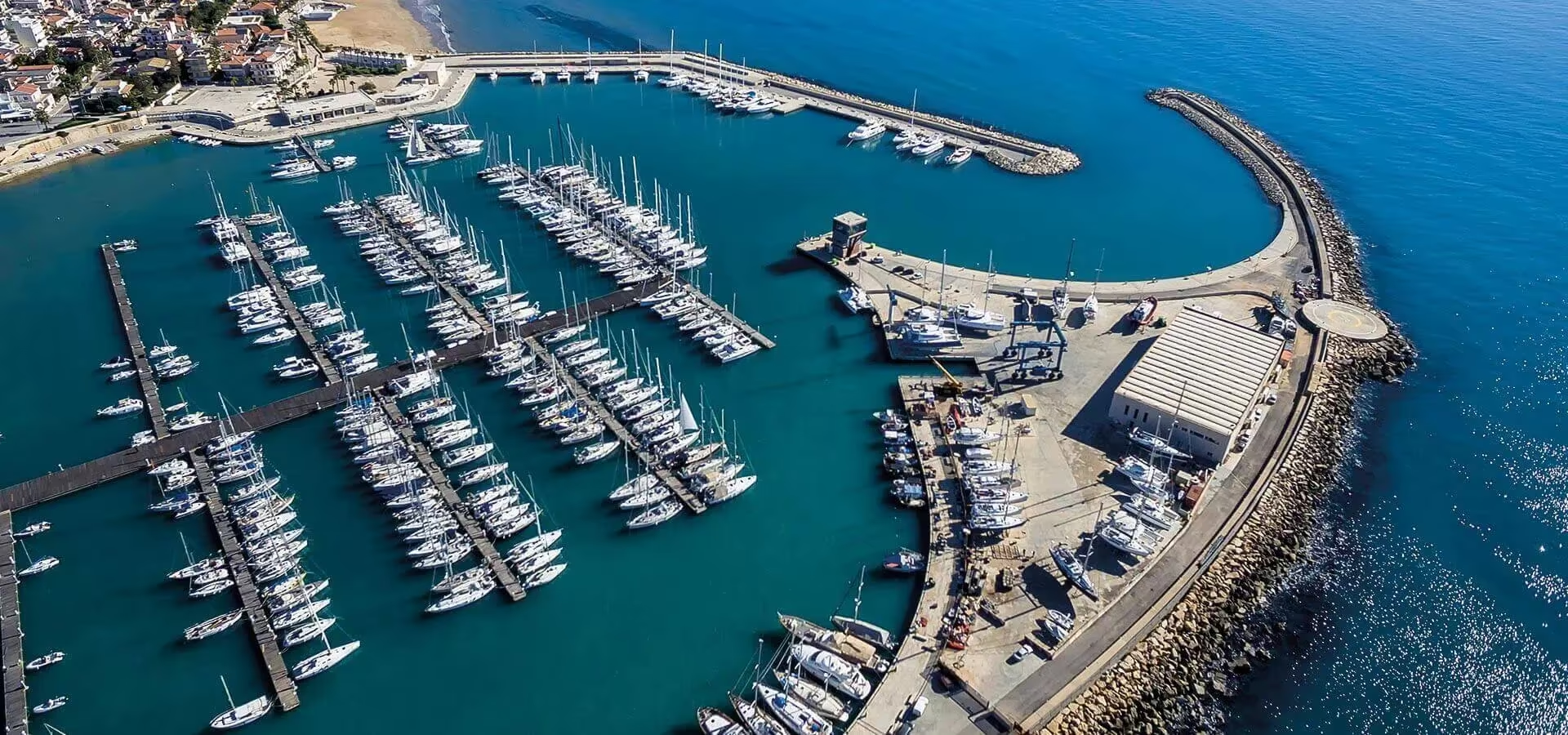
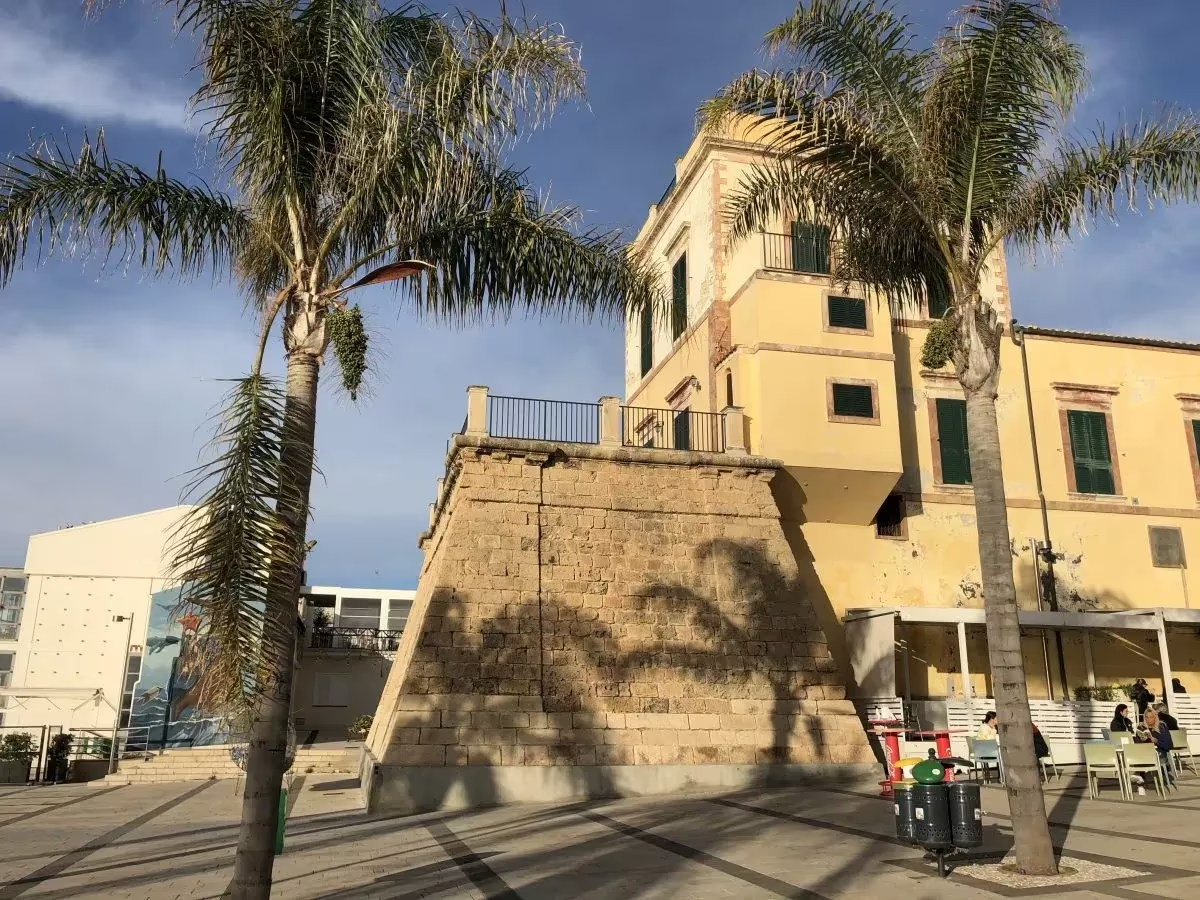
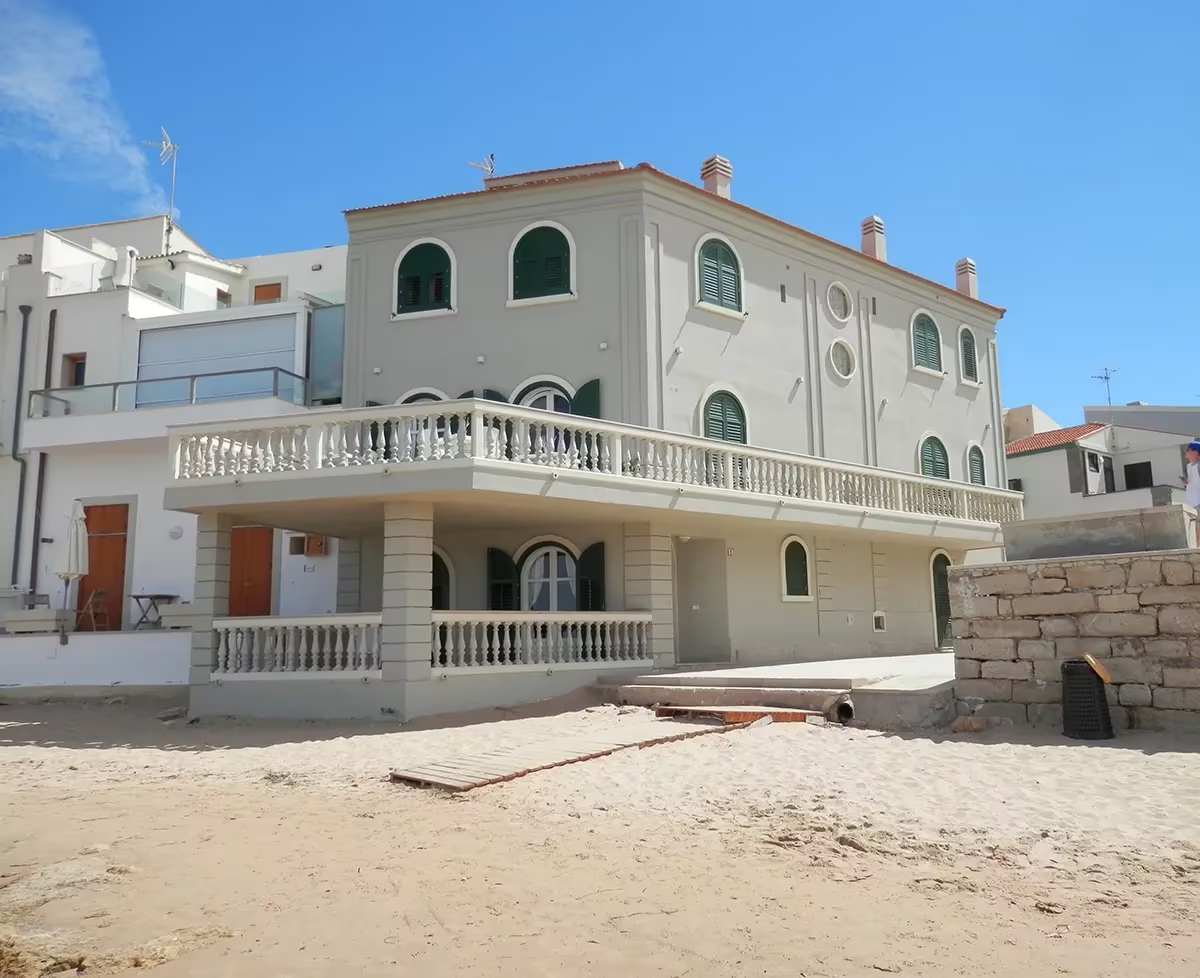
A long and winding cycle-pedestrian path winds between the blue of the sea and the cliffs, offering a fusion of sounds and marine scents that accompany every step, while the sun paints the landscape in golden hues.
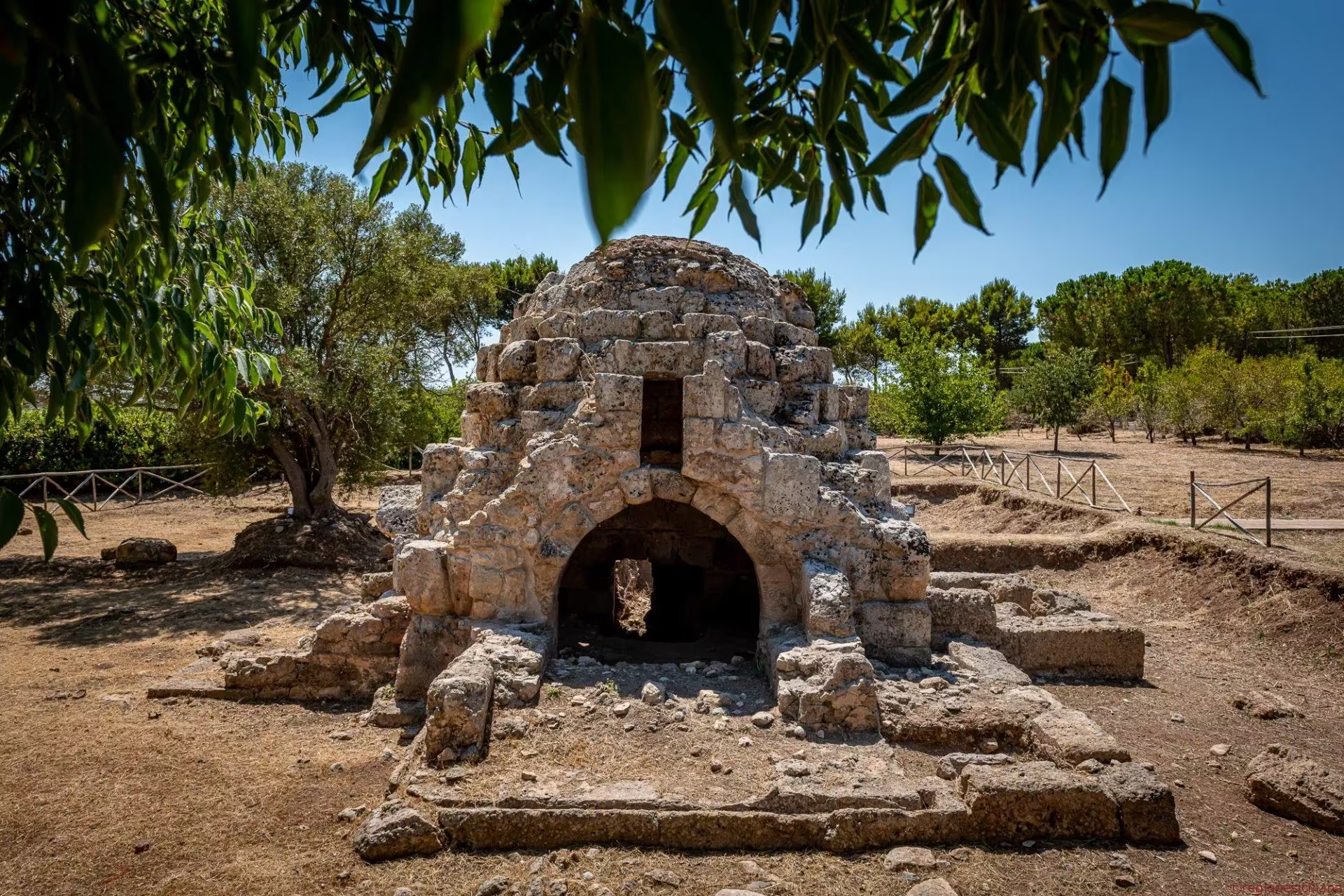
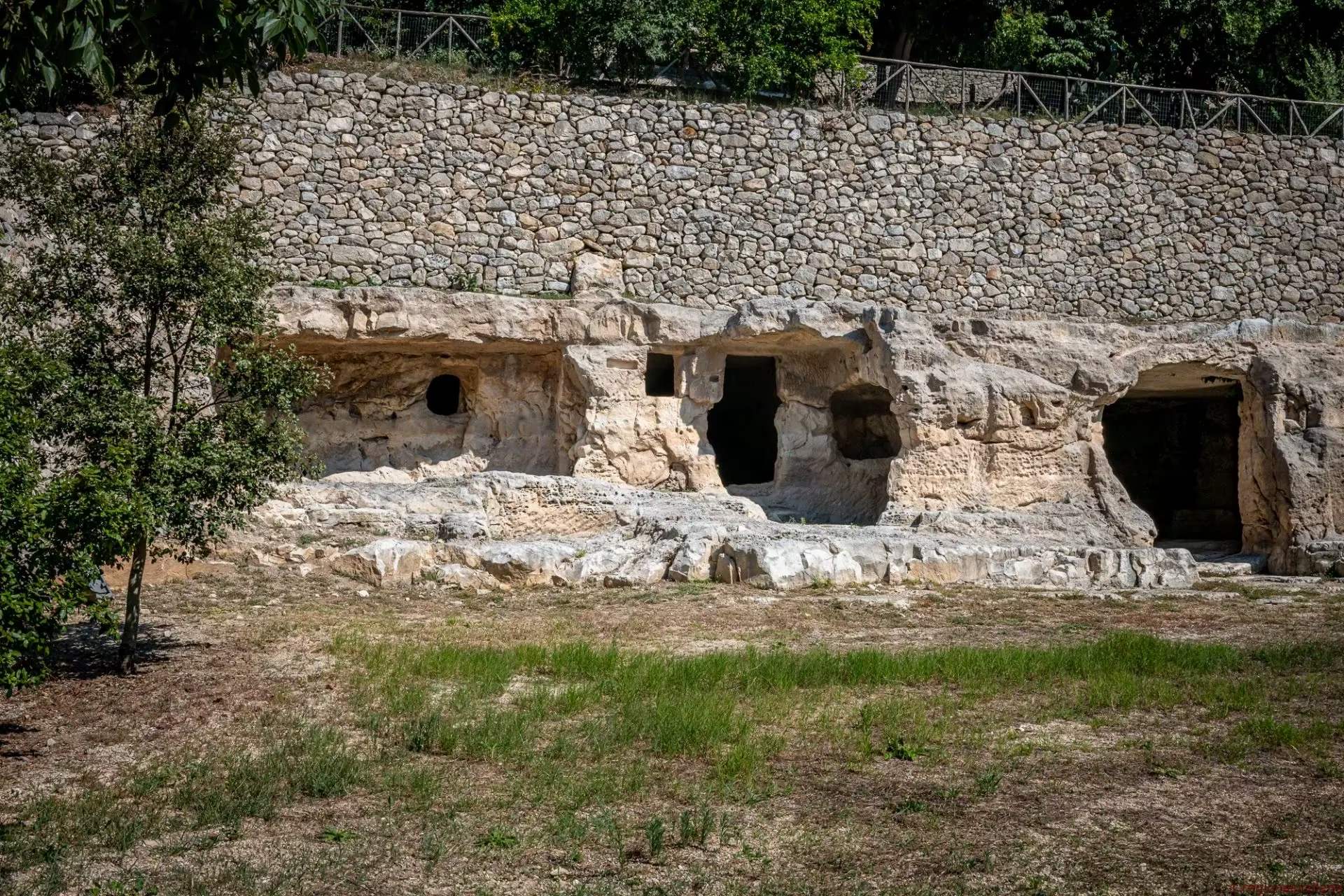
On the coast of Marina di Ragusa, the memory of Kamarina hides, one of the most illustrious Greek colonies of Sicily, whose remnants tell stories of struggles, rebirths, and an impressive cultural evolution. Founded in 598 B.C. by the Syracusans on a strategic promontory between the rivers Ippari and Oanis, Kamarina overlooked the Mediterranean, capturing the hearts of navigators and merchants who sailed these waters.
Its history intertwines with conflicts and desires for autonomy. Just 45 years after its founding, the Kamarinenses rebelled against Syracuse, forging alliances with the Siculi, but the burning dream of independence was shattered by the Syracusan fury that, in 552 B.C., reduced the city to ruins. However, Kamarina was reborn, flourishing in the 5th century B.C. in a golden age characterized by Hippodamian urban planning and an intense production of ceramics, thanks to the fertile land that surrounded it.
But the winds of fate proved merciless. During the Peloponnesian War, the city chose to ally with Athens in an attempt to maintain its autonomy, but the advance of Carthage marked its sad destiny. In 405 B.C.