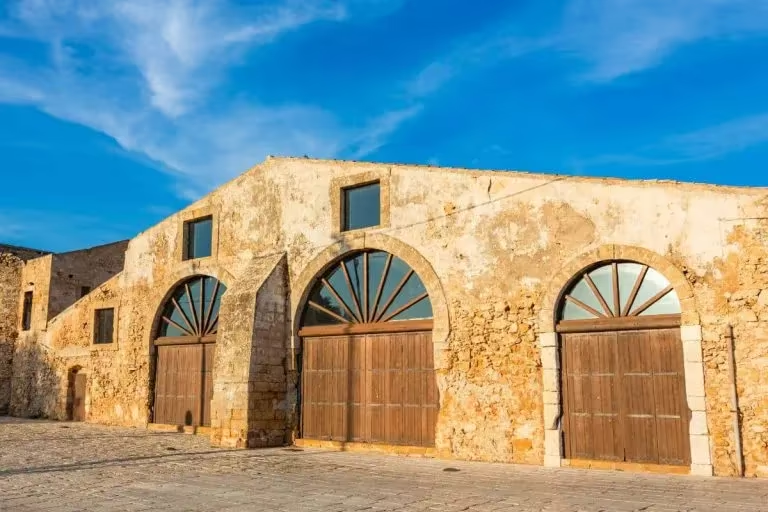
The Cathedral of Wine of South-East Sicily
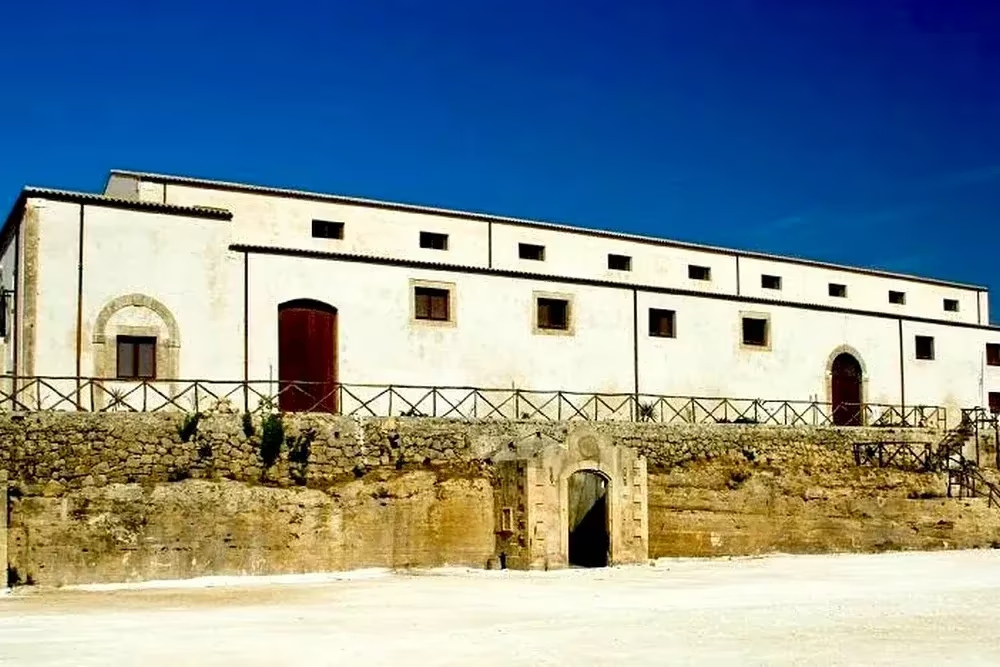
A few steps from Marzamemi stands one of the most fascinating and lesser-known buildings of South-East Sicily: the Palmento Di Rudinì, an extraordinary testimony of industrial archaeology and the great winemaking tradition of the area. Its story begins at the end of the 19th century, when Marquis Antonio Starrabba Di Rudinì, a prominent politician and twice Prime Minister of the Kingdom of Italy, decided to invest in his beloved land of Pachino.
After the devastation of phylloxera, which had destroyed much of the European vineyards, Di Rudinì initiated a profound agricultural transformation of the territory, introducing new vineyards and innovative techniques. In 1897, he began the construction of the facility in the Lettiera district, near Marzamemi. It was not just a simple palmento, but a true state-of-the-art winery designed to industrialize wine production in a Sicily still tied to traditional systems.
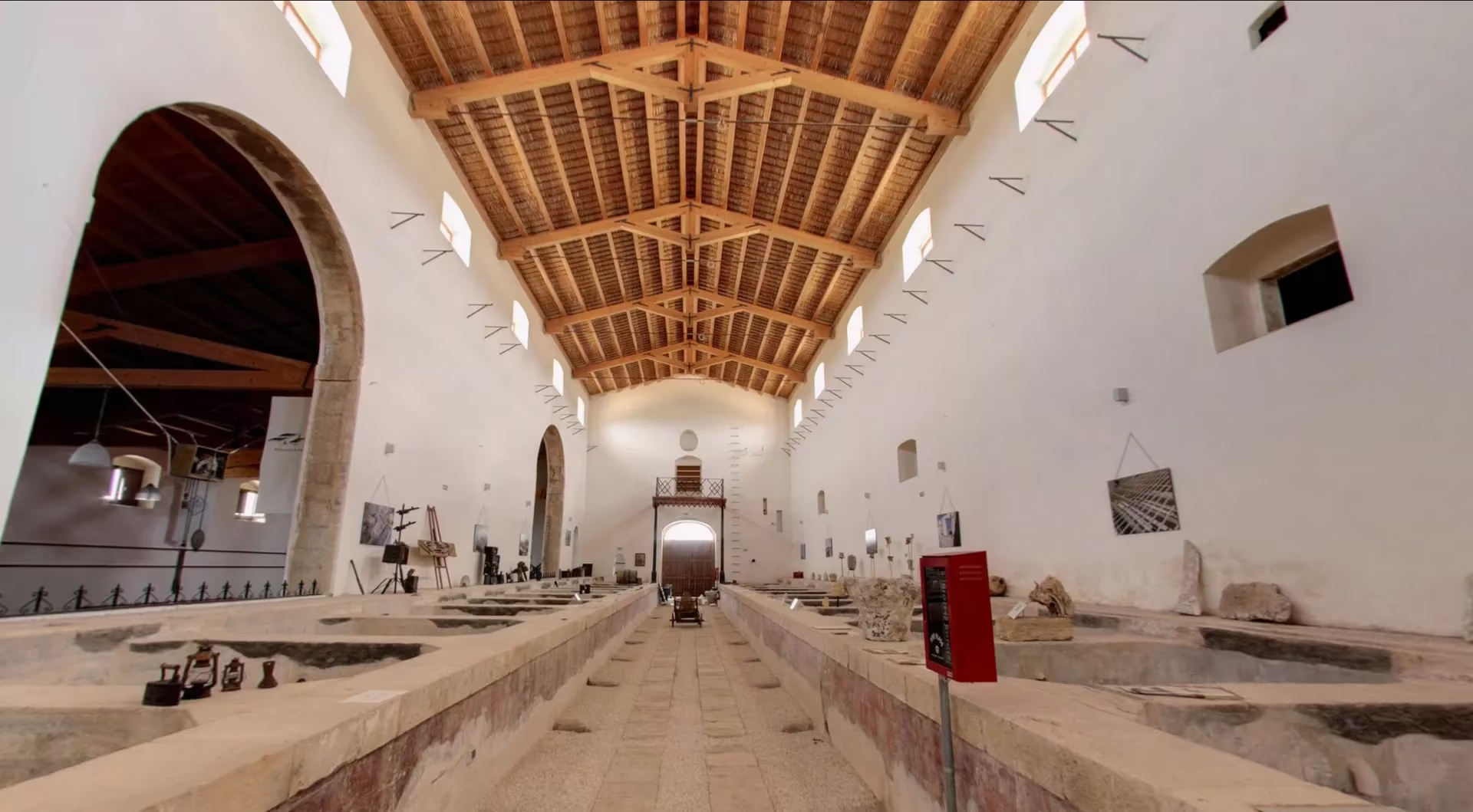
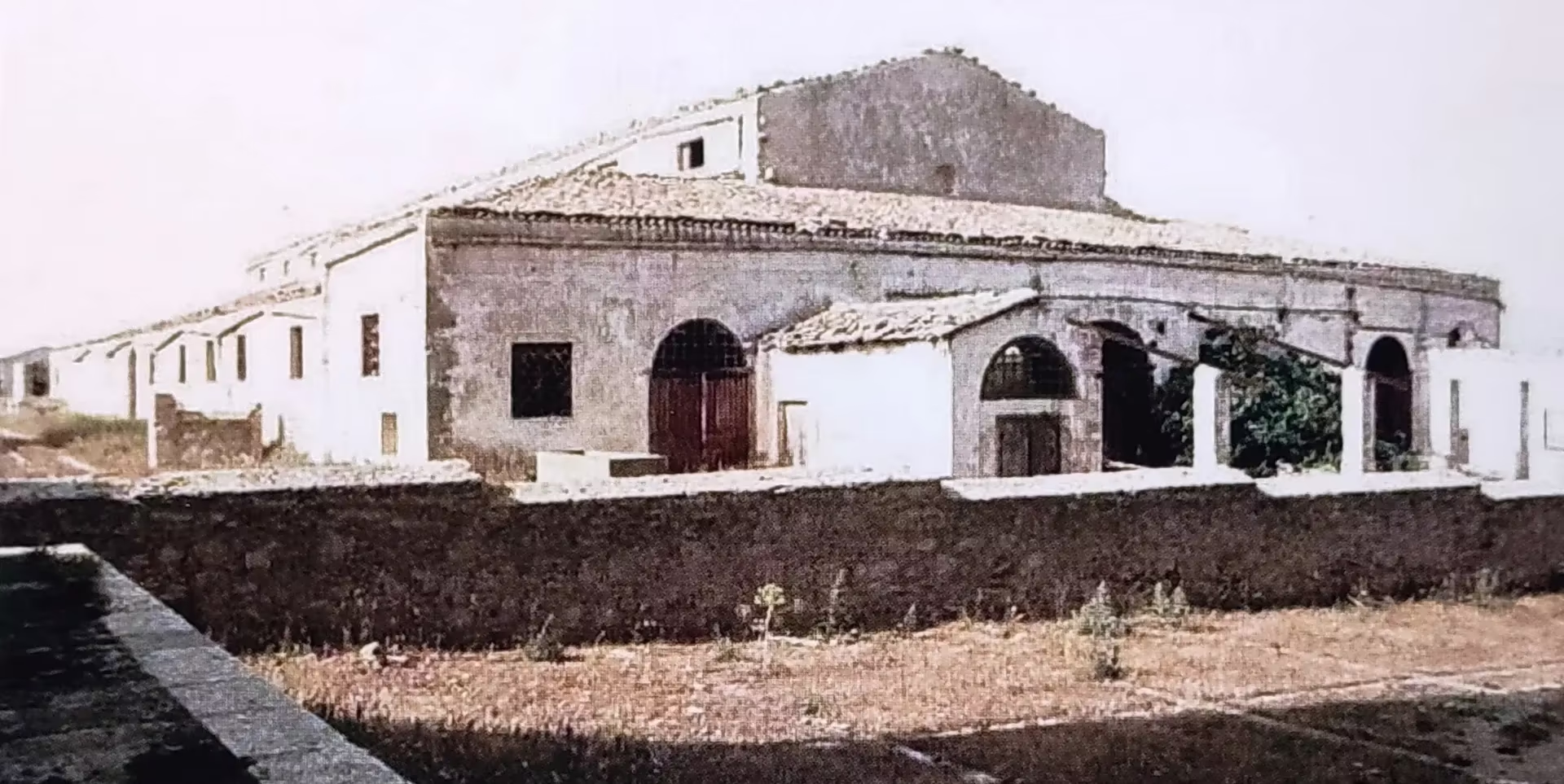
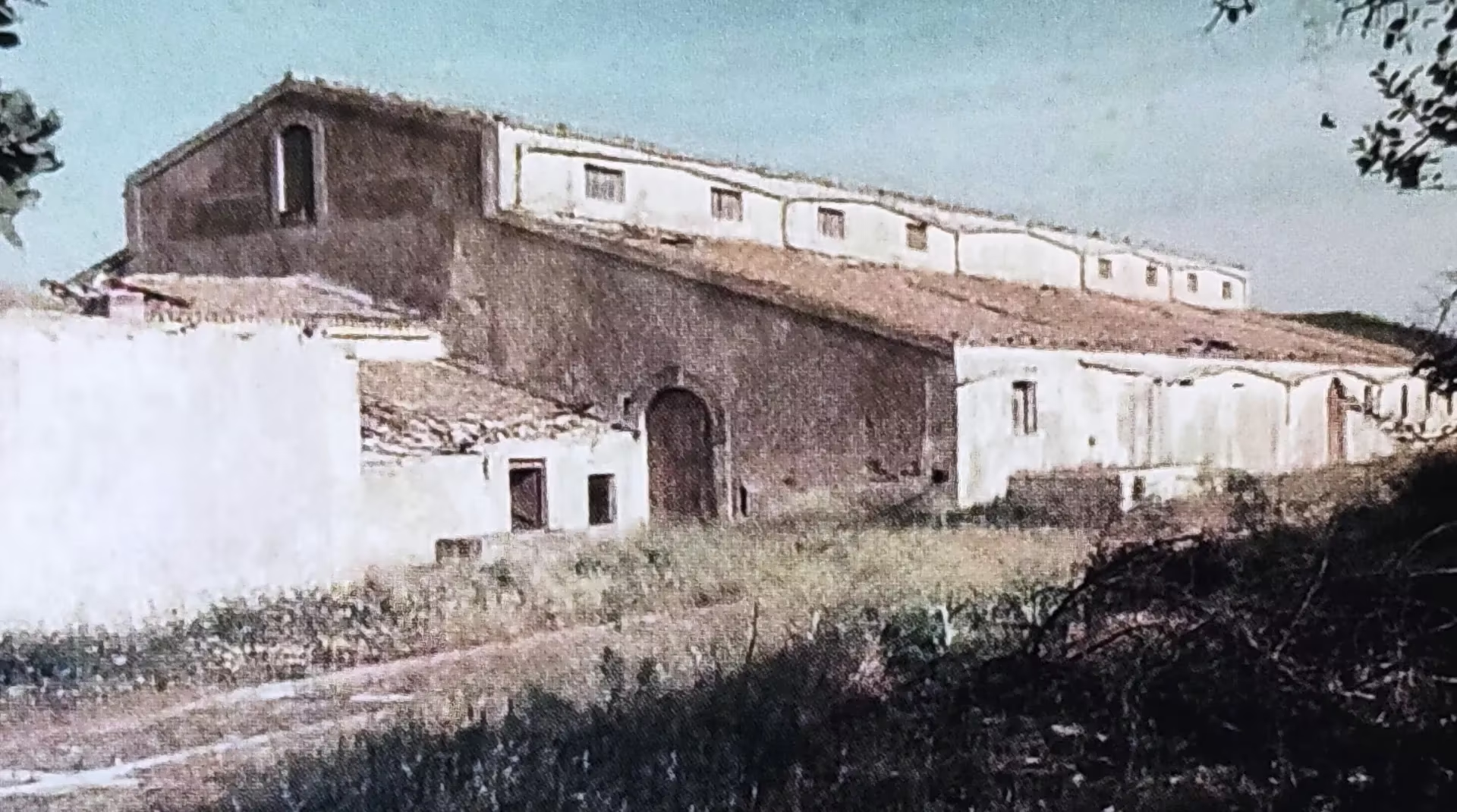
The building was imposing: large fermentation rooms, machine rooms, modern presses, filtration areas, and even a winemaking laboratory. The grapes were no longer crushed by foot but processed through innovative machinery for the time, such as mechanical destemmer-crushers. The must fermented in large tanks and, once ready, reached the nearby port of Marzamemi through special pipelines, to be then exported throughout Europe.
For his contemporaries, the Palmento Di Rudinì represented something extraordinary. The people of Pachino nicknamed it "The Cathedral" for its grandeur and the significance it had assumed for the local economy. The facility employed dozens of people, and the marquis was remembered as a businessman attentive to his workers, so much so that the people jokingly referred to the complex as "The Hospital," because it provided economic support even during times of illness.
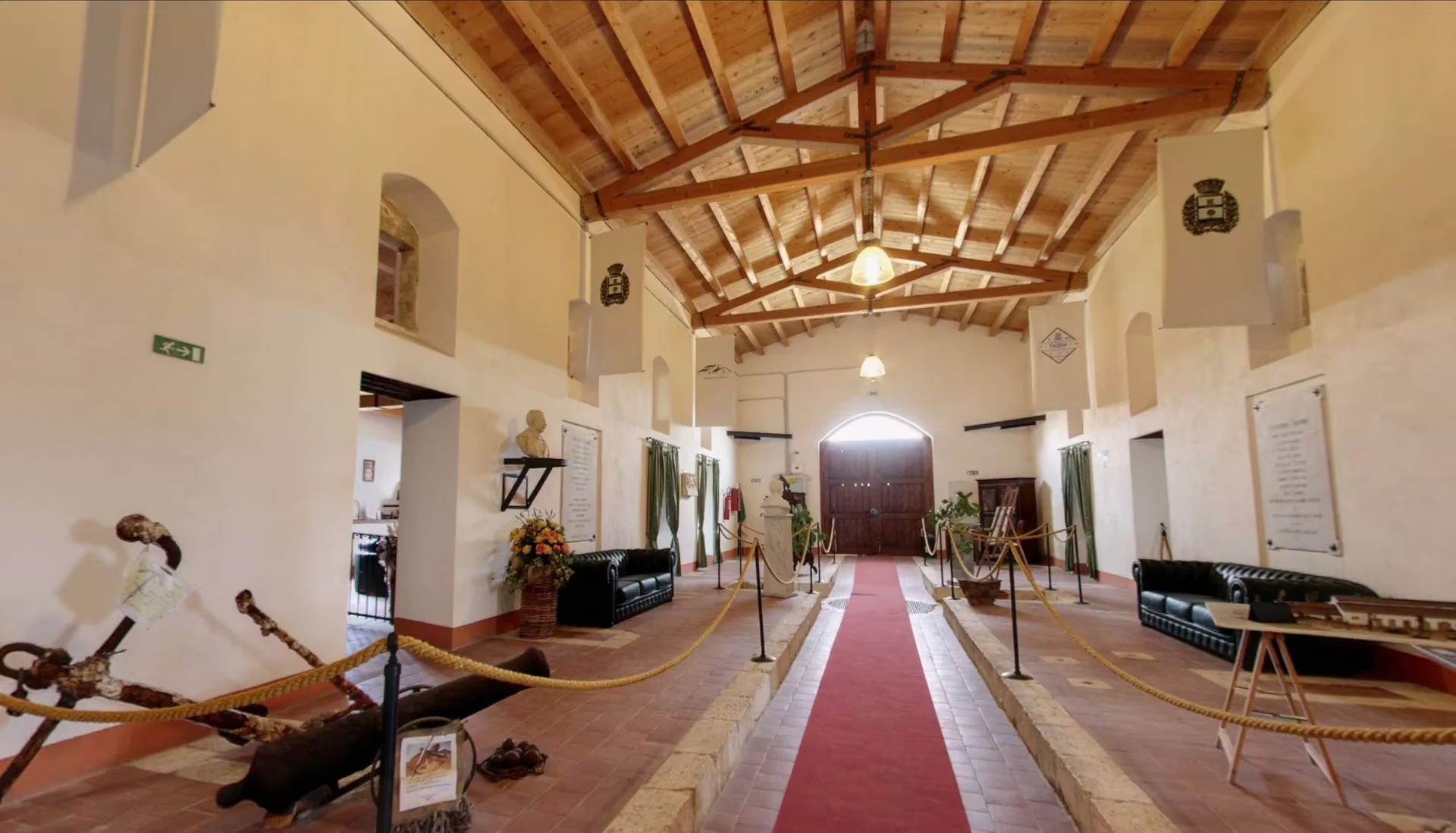
After the marquis's death in 1908, the facility went through difficult years. It changed hands, became a cooperative winery, and throughout the 20th century, it was progressively abandoned. For many years it remained a gigantic ruin immersed in the countryside. Thanks to a significant restoration intervention completed in 2010, today the Palmento Di Rudinì has been saved and represents one of the most significant examples of industrial archaeology in Sicily. Walking through its spaces means taking a journey through time, discovering an extraordinarily modern entrepreneurial vision born among the vineyards and the sea of the Marzamemi area.