

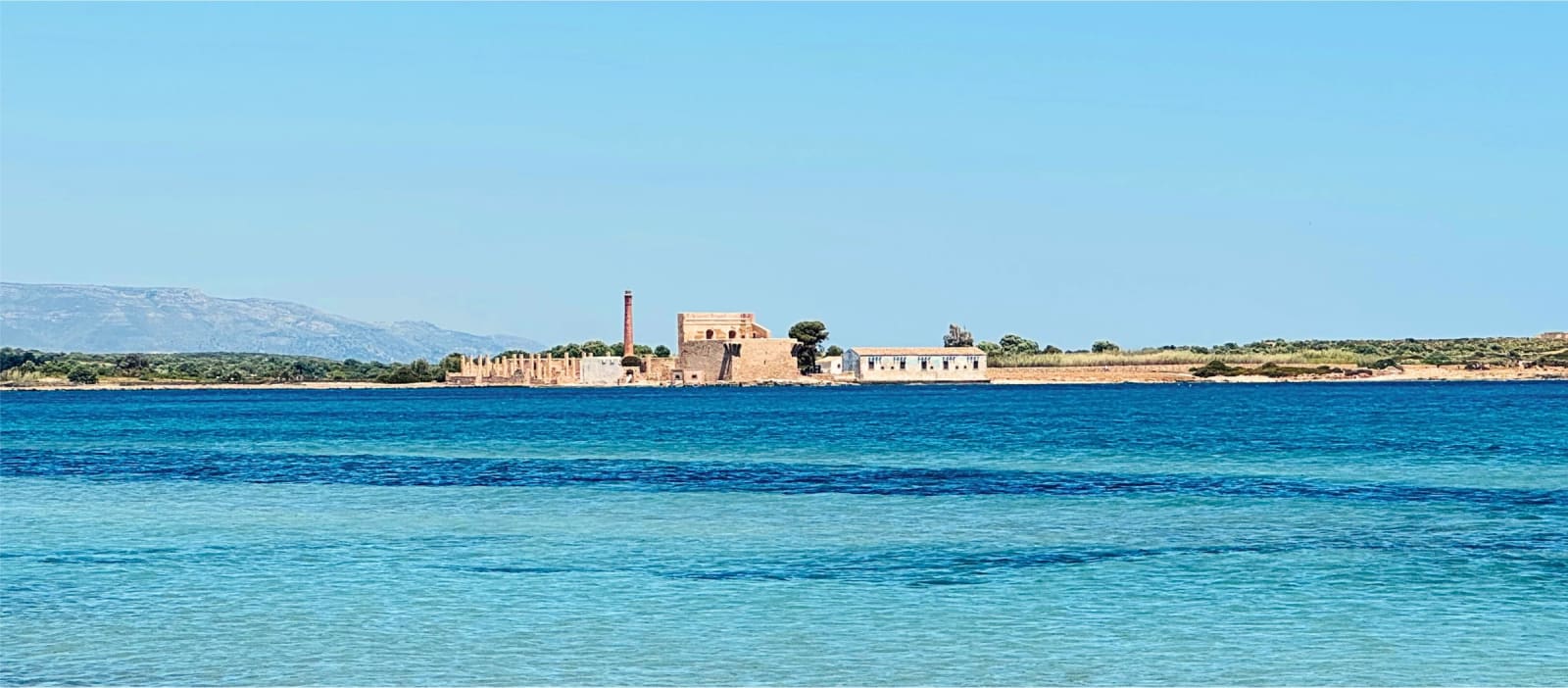
The entrance to Vendicari and the wetlands
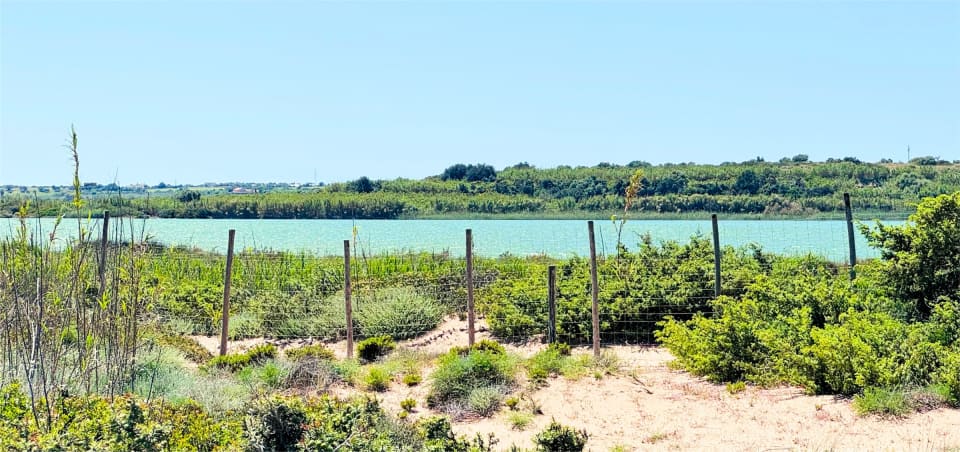 40 minutes
The Vendicari Wildlife Sanctuary, established in 1984, is a stretch of coast between Noto and Marzamemi, with beaches, wetlands and historical remains. It has five entrances: Eloro, Marianelli, Calamosche, Vendicari (the main entrance, also called «centre» or «Tuna Fishery») and Cittadella. This itinerary starts from the central entrance, from which you can reach the tuna fishery, tower and beach in the same loop. From the entrance, a path leads in a few minutes to the sea, through the vegetation. Along the way, you will pass the wetlands, five ponds parallel to the coast, averaging 30-40 centimetres deep: from north to south they are Piccolo, Grande, Roveto, Sichilli and Scirbia. The Pantano Piccolo is the only one that never dries up, as it has brackish water springs. Here you can observe water birds, including flamingos, from a distance without disturbing them. There are observation hides.
Tip
Bring water, a hat and comfortable shoes: the paths are fully in the sun. The ticket is paid and the hours change between summer and winter: check beforehand.
The tuna fishery of Vendicari
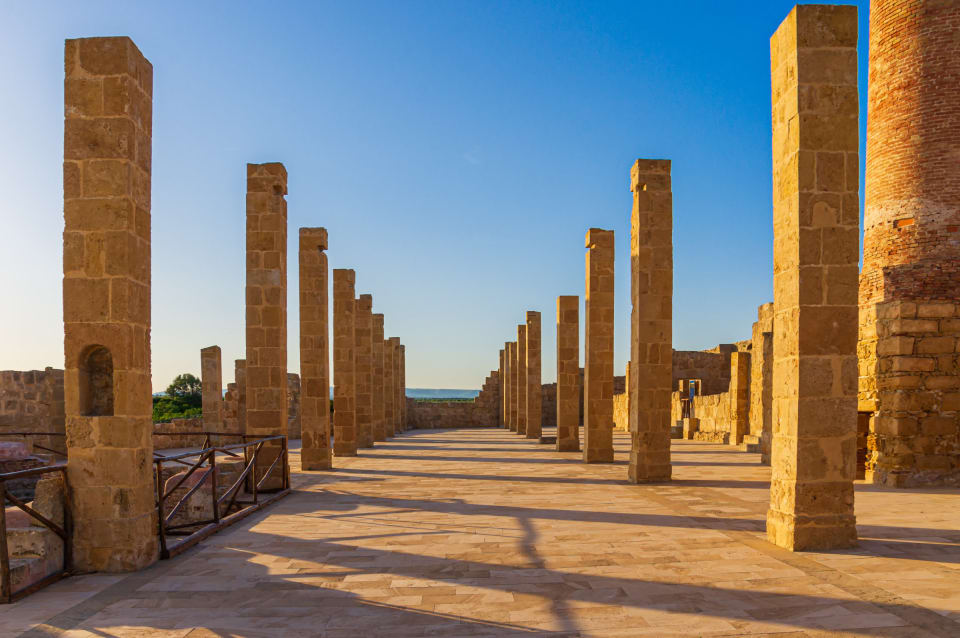 40 minutes
The first thing you see is the brick chimney of the tuna fishery, and next to it a row of stone pillars without a roof: these were the warehouses where tuna was processed. It can only be reached on foot after entering the reserve. Tuna fishing here is ancient. The current tuna fishery has origins that sources date back to the 17th or 18th century, and for a period it was controlled by the Nicolaci family. In 1914, during a resurgence of fishing, it was leased to Antonino Modica Munafò, who built the facility you see today, with a large chimney and modern equipment for processing and canning tuna. The two world wars damaged it, and in 1944 the activity ceased.
Tip
Walk among the pillars and look at the structures without climbing: they are fragile. Respect the prohibitions and signs.
The Sveva Tower
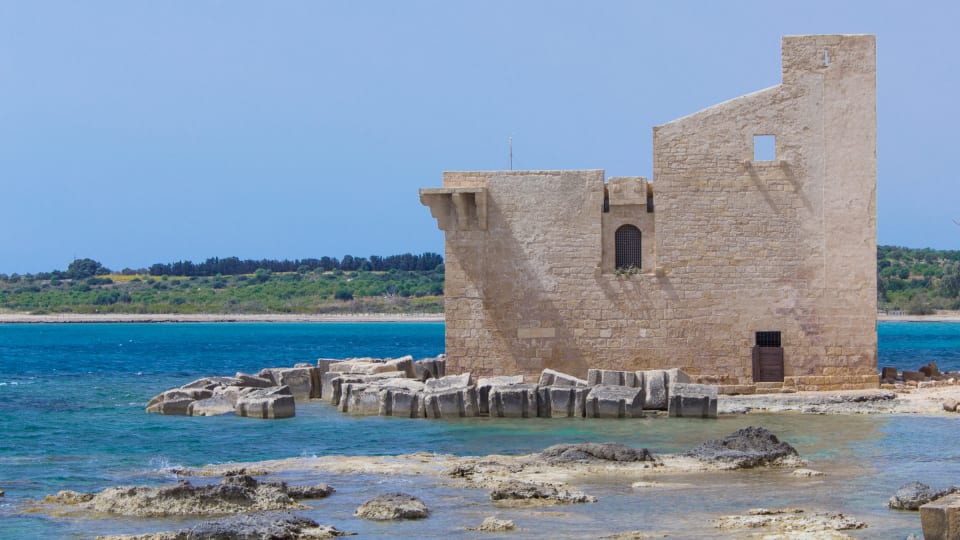 25 minutes
A little further on stands the Sveva Tower, by the sea, at the northern tip of the gulf. The name recalls the Swabian era, but sources date it to the 15th century: it was built to protect the coast from Saracen raids and to defend a goods depot, and continued to serve for centuries. In the 16th century, it was included in a coastal lookout system designed by Spanish engineers. After the earthquake of 1693, it suffered damage and interventions, and in the 19th century it was used as a stable and depot for the tuna fishery. Scenes from the Commissario Montalbano were also filmed here. Next to it is the visitor centre of the reserve.
Tip
At certain times, you can climb the spiral staircase to the panoramic terrace: from up there, you can see the tuna fishery, the islet and the sea together. Check if it is open.
The beach of Vendicari
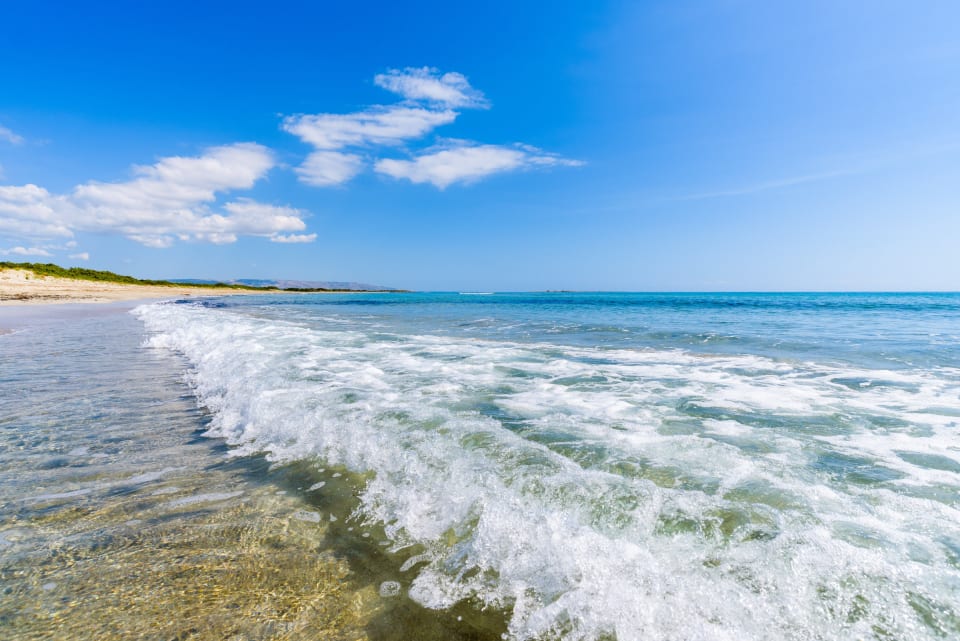 60 minutes
The beach of Vendicari is the largest in the reserve: long, entirely sandy, with dunes and reeds behind, the islet in front and the ruins of the tuna fishery almost entering the water. Between sand and sea, a barrier of Posidonia algae forms, about five metres thick: it can be crossed without problems and behind it is crystal clear water. Moving towards the tower, the coast becomes rocky. A good part of the beach is forbidden to the public, as it is a place for the nesting of the Caretta caretta turtle.
Tip
Do not enter the fenced areas and take your rubbish away: the nests are very fragile.
The coastal path to Calamosche
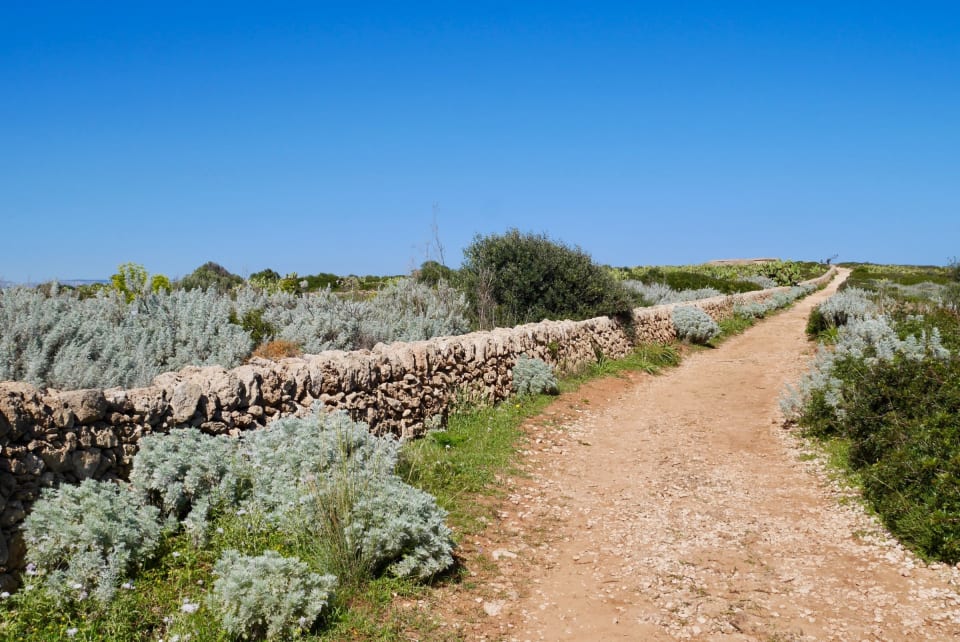 50 minutes
From the tuna fishery, the path continues north for about 4.4 km, following the coast and passing by the wetlands. After the tower, the stretch becomes rocky: you cross a cove and arrive at a hut that marks roughly the halfway point, with the Pantano Piccolo on the left. In about forty minutes, you reach Calamosche. The route is beautiful but without shade: the vegetation is low and the sun is strong.
Tip
Set off calmly and with water: the return is on the same path, so save energy for the way back.
Calamosche
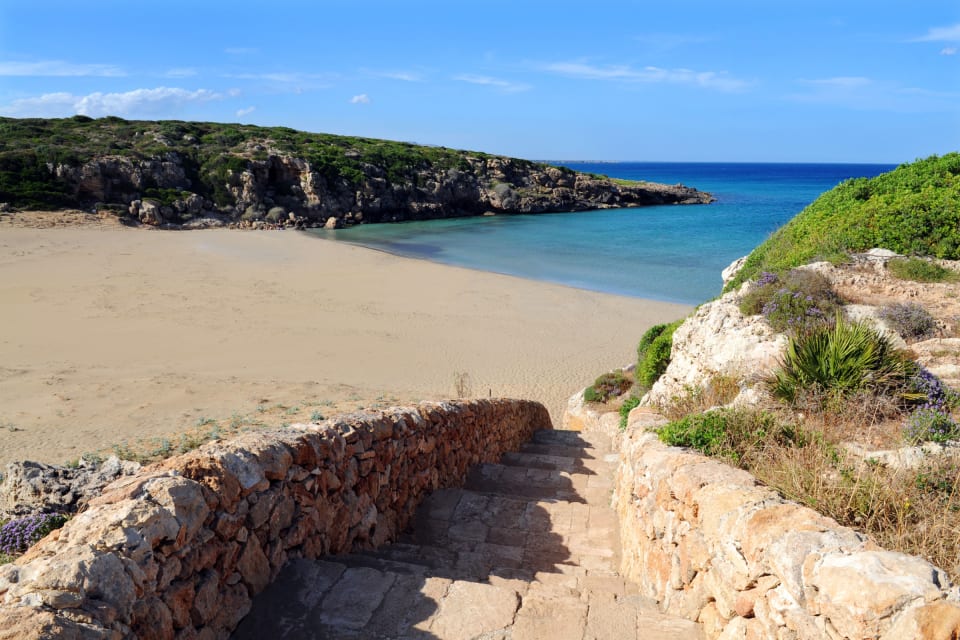 90 minutes
Calamosche is the most famous beach in the reserve: a small sandy bay of about 200 metres, enclosed between two rocky headlands that shelter the sea from currents. In 2005, the Blue Guide of Legambiente named it «the most beautiful beach in Italy». On the sides, there are caves and natural cavities, and the sea is almost always calm. From here, you can exit the reserve from the Calamosche entrance, about twenty minutes on foot, a path of about 1.2 km, or return the way you came.
Tip
In high season, the bay fills up: arrive early or outside the weekend. If you exit from the Calamosche entrance, remember that your car is at the other entrance: plan ahead.
Route map
On phone and tablet: one finger scrolls the page, two fingers move the map.
Frequently asked questions
For the described tour, between the tuna fishery, tower and Calamosche, you need a whole day: the path between the tuna fishery and Calamosche is about 4.4 km each way. If you have less time, you can see the tuna fishery, tower and beach in two or three hours.