

Day 1 · Catania, the city of the volcano
 One day
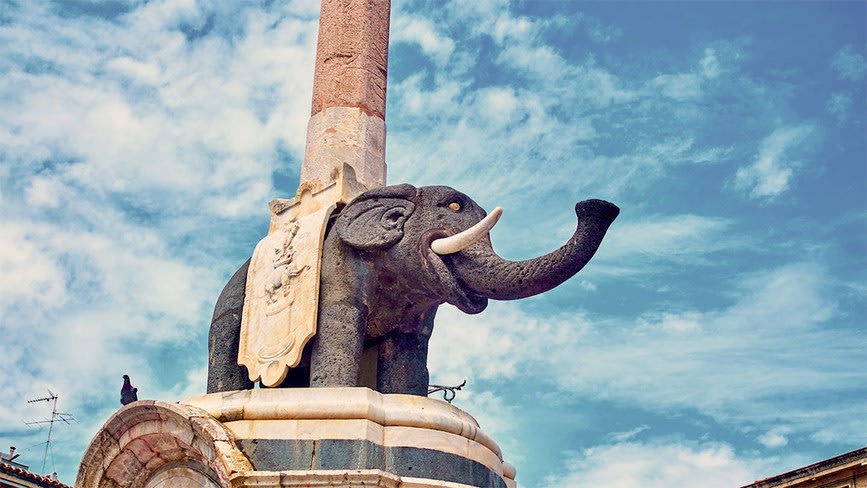
The first day is all about Catania: it's compact and best explored on foot, but it has so many attractions that you won't see them all in one day. You'll be here for the first three nights, so you can catch up in the evenings of the following days. Don't miss: Piazza del Duomo, with the Cathedral of Sant’Agata, the Elephant fountain and the Amenano fountain, and the Badia di Sant’Agata, where it's worth climbing to the dome for the view. Then Piazza Università, a stroll along Via Etnea and Via dei Crociferi, with many Baroque churches in just a few metres. Visit the Castello Ursino, the Roman theatre with the odeon, hidden behind the facades of the houses, the Porta Garibaldi and the Monastery of San Nicolò l’Arena (best with a pre-booked guided tour). End in the Giardino Bellini.
Tip
Avoid Catania's traffic during peak hours: in the centre, you move around on foot. You can rent a car from the third day, when you start the tour outside the city.
Day 2 · Excursion to Etna
 One day
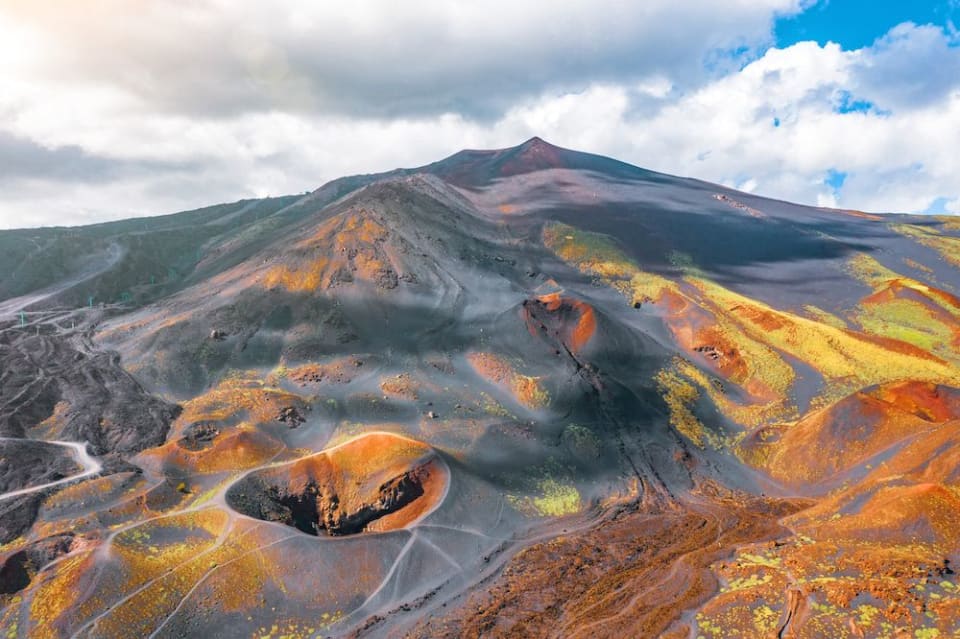
Today you ascend Etna, the highest active volcano in Europe. From the south side, the most convenient from Catania, you reach the Rifugio Sapienza, at about 1,900 metres: by car in about an hour, or by an autobus that departs from the station, to be booked the day before. There are excursions of various levels. On your own, you can do the circuit of the Silvestri craters, formed in 1892 and now extinct, and take the cable car up to about 2,500 metres; higher, to the summit craters, you can go only with authorised alpine or volcanological guides. The volcano's activity dictates everything: at certain times some areas are closed. If it's not accessible, you can spend more time in Catania or ascend to lower altitudes, where you can see the lateral craters independently.
Tip
Check the ordinance in force and the volcano bulletins the day before. Bring trekking shoes, sunglasses and layered clothing; if clouds close in at altitude, descend.
Day 3 · Messina and Acireale
 One day
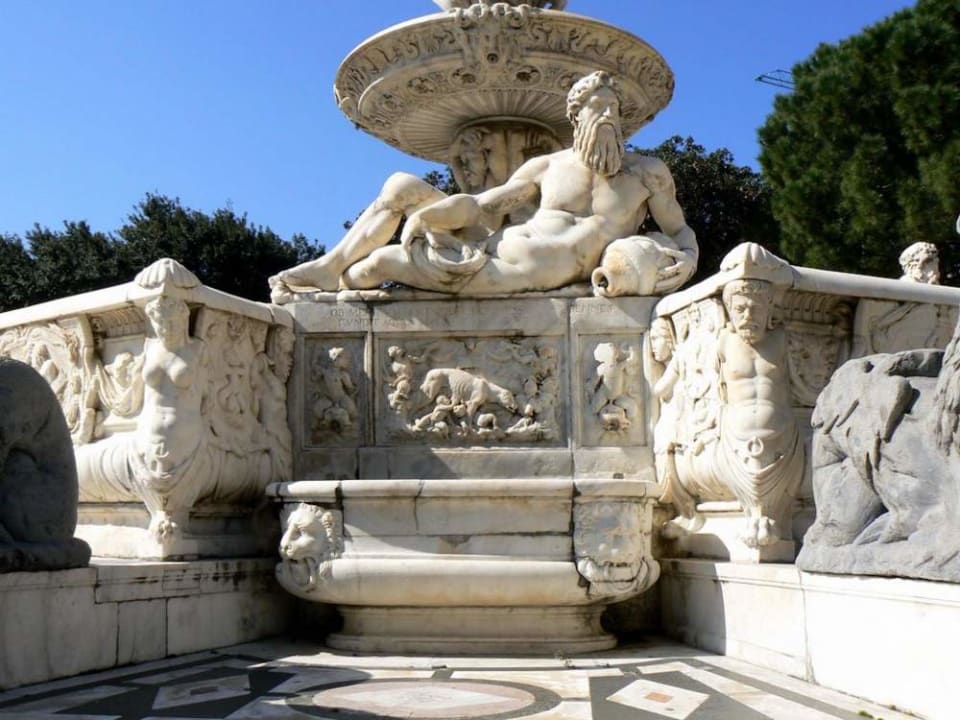
Take the car to Messina and Acireale: you won't need the whole day, so you can also relax on the beach or finish what you have left of Catania. Messina occupies the north-eastern tip of the island. It’s worth half a day for the duomo, of Norman origin and rebuilt after the earthquake of 1908, and for the Orion fountain, from the mid-1500s, in front of the duomo. Then the sanctuary of the Madonna di Montalto, the temple of Christ the King, the Galleria Vittorio Emanuele III and the Church of the Santissima Annunziata dei Catalani. In the mid-afternoon, return towards Catania and stop at Acireale, built on a plateau created by Etna, with cliffs overlooking the sea. Look at Piazza Duomo, the many Baroque churches, the Villa Belvedere with the view over the Timpa and the fishing village of Santa Maria la Scala.
Tip
If you're short on time, choose Acireale at sunset: at Santa Maria la Scala you can see the boats returning to shore.
Day 4 · Taormina, Alcantara Gorges and Aci Castello
 One day
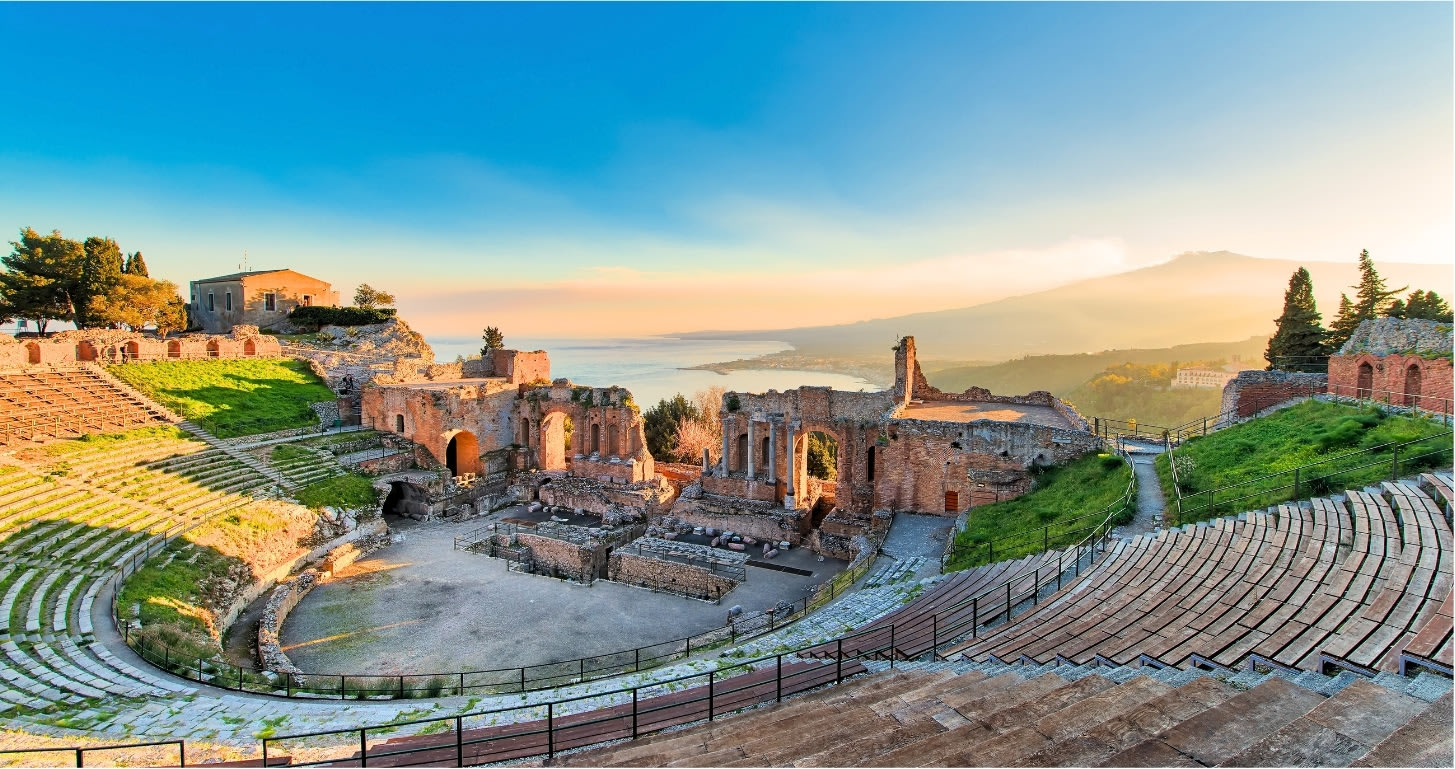
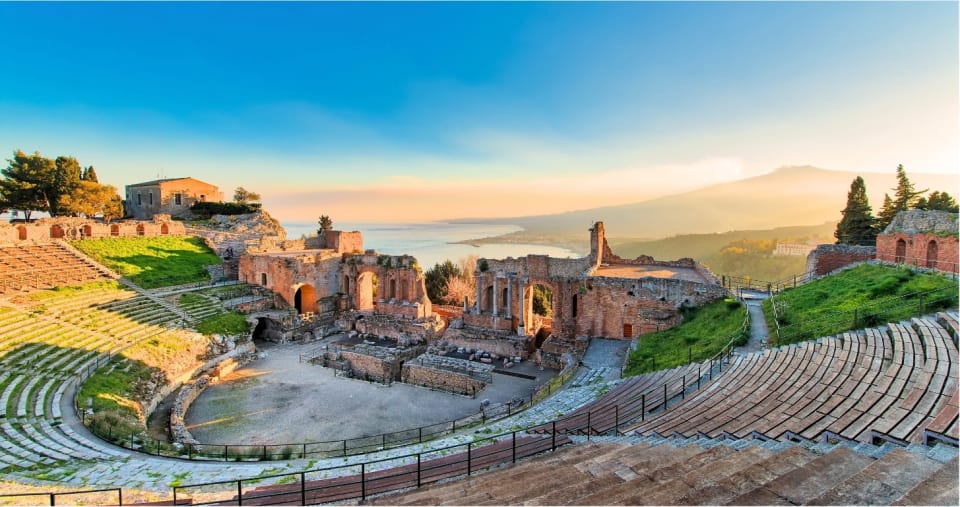
Arrive in Taormina early in the morning: from mid-morning the city fills with buses. After leaving the car in one of the car parks at the gates, walk along Corso Umberto: Porta Catania, the Palazzo dei Duchi di Santo Stefano, the duomo, the Clock Tower, Piazza IX Aprile and the Palazzo Corvaja. The ancient theatre is the jewel of the city, overlooking Etna. If you have the energy, climb to the sanctuary of the Madonna della Rocca; then descend to Isola Bella for a swim. In the mid-afternoon, reach the Alcantara Gorges in about half an hour, carved by the river in the lava of Etna: walls up to 25 metres high and 2 to 5 metres wide. In summer, you can even enter the cold water and ascend the river. Conclude the day at Aci Castello, with the castle on a rocky spur and, about twenty minutes on foot, the faraglioni of Aci Trezza. For the fourth night, it's best to stay between Aci Castello and Acireale: you avoid Catania's traffic and tomorrow you can set off already in the direction of Caltagirone.
Tip
For the Alcantara Gorges, check how to access (park or public access) and the river conditions before you leave.
Day 5 · Caltagirone, Piazza Armerina and Enna
 One day
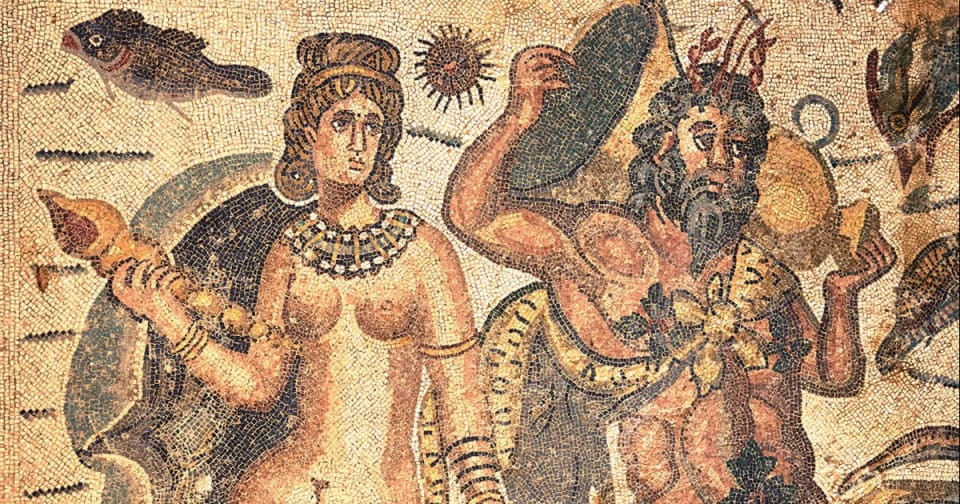
Today you leave the coast and head inland, towards Agrigento, where you will spend one night. Set off early. Caltagirone, about an hour from Catania and a UNESCO heritage site, is famous for its ceramics: in the workshops and also in the urban decor. Look at the public villa, Piazza Umberto I and especially the Scala di Santa Maria del Monte, a 17th-century staircase of 142 steps with the risers decorated with majolica. Then the Villa Romana del Casale, near Piazza Armerina: a large villa from the late imperial era, a UNESCO heritage site, with over 3,000 square metres of mosaics. Don’t miss the Great Hunt corridor. It takes about two hours. After lunch, take a stroll in Piazza Armerina (Piazza Garibaldi, the Cathedral and the Commenda dei Cavalieri di Malta), then in half an hour to Enna, with the Castello di Lombardia, the Fountain of the Rape of Proserpina and the Tower of Frederick II. Then about an hour's drive to Agrigento.
Tip
It’s the longest day by car: keep water and a snack and aim to arrive in Agrigento before evening.
Day 6 · Agrigento: Valley of the Temples and Scala dei Turchi
 A day
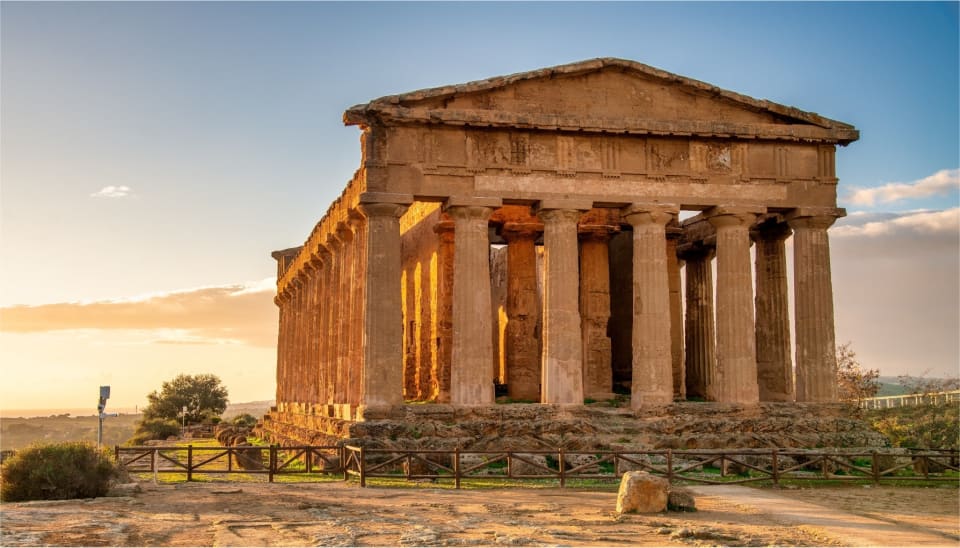
A morning and an early afternoon in Agrigento are enough for its two most famous destinations. The Valley of the Temples has been a UNESCO heritage site since 1997: actually a hill, where the temples of the ancient Akragas, founded in 582 BC, remain, including the Temple of Concordia. Allow two to three hours: everything is exposed to the sun, so go early in the morning or at the end of the day (the sunset is beautiful but crowded). In a few minutes, reach the Scala dei Turchi, a white cliff of marble, shaped by natural elements. Today it is no longer possible to climb it: you can view it up close from the hill and then from the beach, where you can also take a swim. If you still have time, stroll through the historic centre of Agrigento: Via Atenea, the Belvedere Arancio, the Cathedral of San Gerlando and the Scala degli Artisti. Then, in the afternoon, head to Modica, where you will spend the next two nights: it takes a couple of hours by car.
Tip
With only one night in Agrigento, start early at the Valley of the Temples to leave by early afternoon. If you want a nine-day trip, you can skip Agrigento and continue from day 5 to Modica.
Day 7 · Ragusa, Scicli and Modica
 A day
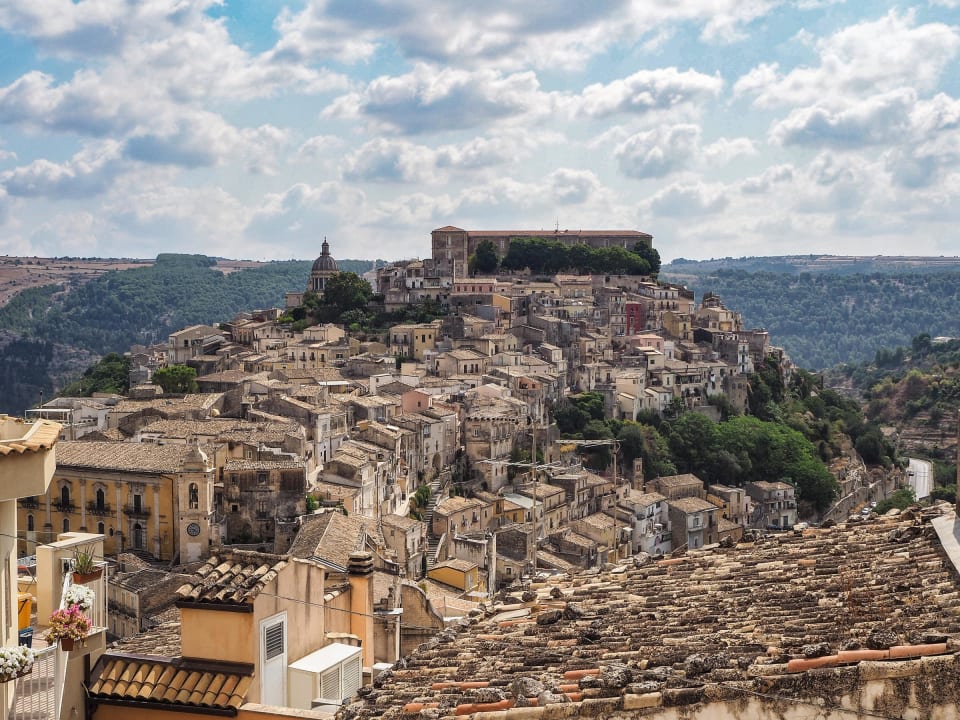
You return east, to the Val di Noto, where after the earthquake of 1693 the towns were rebuilt in Baroque style and are now a UNESCO heritage site. Last night you stayed in Modica and you will stay there again tonight. Ragusa has two centres on two hills: Ragusa Ibla, the old town, and Ragusa Superiore. Start from the Cathedral of San Giovanni Battista, descend to the Church of Santa Maria alle Scale and Palazzo Cosentini, then climb back to Ibla: Piazza Duomo with the Duomo di San Giorgio, Piazza Pola and the Giardino Ibleo. Then Scicli, the set of Commissario Montalbano, with its Baroque palaces (Spadaro, Bonelli Patanè, Beneventano), the town hall and the Church of San Giovanni Evangelista. Finally, Modica, with its chocolate and the two cathedrals: San Pietro below and San Giorgio at the top of a staircase, the rock church of San Nicolò Inferiore and the viewpoints.
Tip
On this site, you will find three itineraries: «Ragusa Ibla in half a day», «Scicli in a day» and «Modica in a day». In one day, choose the main points of each.
Day 8 · Noto, Vendicari, Isola delle Correnti and Marzamemi
 A day
Today you explore the south-east of the island: many stops, but almost all quick. Start with Noto, the «capital of Baroque», with almost everything along Corso Vittorio Emanuele: the Church of San Domenico, the Tina Di Lorenzo Theatre, the Cathedral at the top of the staircase, Palazzo Ducezio (you can go up to the terrace), Palazzo Nicolaci di Villadorata with the ballroom, the Church of Montevergine and the Porta Reale. Then the Vendicari Nature Reserve, half an hour away: the tonnara, the Torre Sveva and the paths through the marshes, with beaches for a swim. For those still wanting the sea, another half hour and you reach the Isola delle Correnti, the southernmost point of Sicily, where the Ionian and Mediterranean meet. Conclude in Marzamemi, the fishing village that grew around a large square, with the tonnara, the two churches and the warm light of the sunset. Here you can stay overnight.
Tip
On this site, you will find the itineraries «Noto in a day», «Vendicari in a day», «Isola delle Correnti in half a day» and «Marzamemi in half a day». If you wish, skip a stop: not everything fits into one day.
Day 9 · Ortigia and Siracusa
 A day
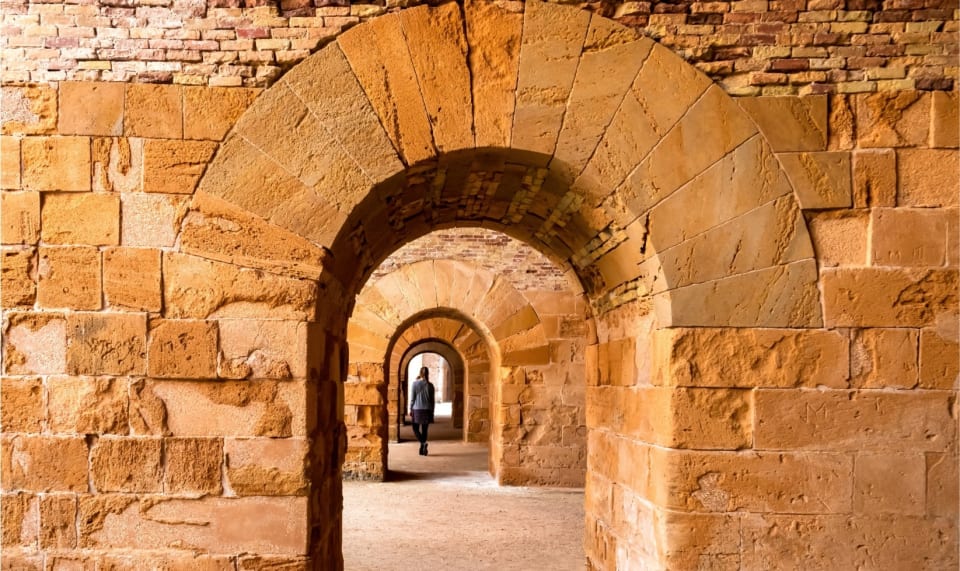
The penultimate day is for Ortigia, the historic centre of Siracusa, a UNESCO heritage site, connected to the city by two bridges. Explore it on foot: the remains of the Temple of Apollo, Piazza Archimede with the Fountain of Diana, Piazza Duomo with the Cathedral built inside a Greek temple dedicated to Athena, the Foro Vittorio Emanuele II, the Fonte Aretusa with the papyrus, the Castello Maniace and the Giudecca. In summer, you can swim in one of its small beaches. In the mid-afternoon, reach Siracusa: the Church of San Giovanni alle Catacombe with the crypt of San Marciano and the catacombs (guided tour), and the Archaeological Park of Neapolis, with the Greek theatre and the Roman amphitheatre. For your last night, stay in Siracusa or in Ortigia: Pantalica is three-quarters of an hour away.
Tip
On this site, you will find «Ortigia in a day» and «Siracusa in a day». If you arrive by car, park in Siracusa: there is a ZTL in Ortigia.
Day 10 · Pantalica and Augusta
 A day
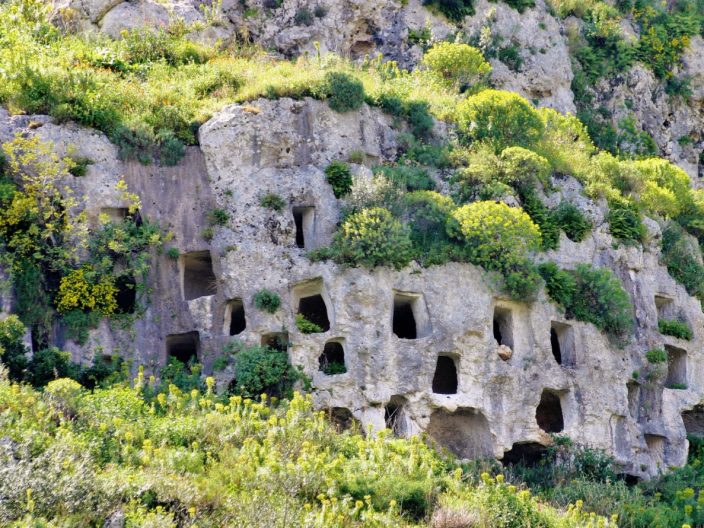
The last day has two lesser-known stops. From Siracusa, in about three quarters of an hour, you arrive at the Pantalica necropolis, a UNESCO heritage site: you enter on foot and discover thousands of tombs carved into the rock of a canyon, from two periods, between the 13th and 11th centuries BC and between the 9th and 8th centuries BC. You can take a loop of about 8 km, in two and a half hours, that descends to the Anapo river and ascends, or just cover a section. Then, on the way to Catania airport, Augusta: you can visit in about an hour. See the Spanish Gate, the Swabian castle, the Spanish bridge, and offshore, the Garsia and Vittoria forts.
Tip
On this site, there’s «Pantalica in half a day»: bring water, a hat, and a torch. If your flight is in the afternoon, allow some time for the return to the airport.
Route map
On phone and tablet: one finger scrolls the page, two fingers move the map.
Frequently asked questions
With ten days you see everything, including Agrigento. If you remove Agrigento, nine days are enough. With less time, there’s the seven-day itinerary (Catania, Etna, Taormina, and the South-East).